Milk bread

Milk bread

I sometimes feel that we mis-sell homemade bread. All of these ‘best bread of your life’ articles and books sell a particular vision: a craggy, very dark brown loaf, with a thick crust, and chewy, irregular interior. Loaves that take long and patient work and probably require a starter or levain of some sort. And it’s true that these loaves are achievable at home and all that time develops lovely flavours. But not everyone really likes eating them.

When you want to make a sandwich, or some really good, golden toast, that isn’t what you need. Sometimes there is a place for a soft, fluffy bread, with a thin crust that will toast really well, and won’t take three days to make. When that is what you’re after, and if that is your definition of really good bread, then what you need is a milk loaf, or a pain de mie.

This bread comes together in a few hours (although you can leave it overnight if that’s more convenient). It’s a great choice for sandwiches, toast, and even toasted sandwiches. It’s likely to be popular with children. It is gently golden on the outside, with a soft texture inside, but not as spongy and squishy as a cheap sliced loaf. A little sugar helps it to brown nicely when toasted. Not too much liquid means a nice even interior, without jagged holes that let the filling through.

Behind the recipe

All those macho, craggy loaves are flour, water, salt and yeast (or sourdough starter). Milk bread contains a number of other things: milk, butter and sugar. All of them get in the way of the flour a bit, and turn the interior from chewy and stretchy to soft and fluffy. You can also use eggs, or even a roux of cooked flour and water to soften bread. But milk, and a little butter and sugar make a nice soft loaf, but without too much richness.

The fat in the milk, and in the small amount of butter help to interrupt the gluten structure, and stop it from becoming too coarse and chewy. Baking at a high temperature for a short time prevents the crust from drying out too much and getting too thick and crusty. You can also cover the bread with a tea towel when it comes out of the oven to keep the crust soft. Some say that scalding the milk briefly will help to deactivate an enzyme in the milk, and allow the bread to rise a little more and be fluffier. I tried this with and without scalding, and couldn’t tell the difference. I warm the milk up to give the dough a headstart, and to melt and dissolve the butter and sugar, making them easier to distribute, but there’s no need to simmer it.

Milk bread recipe

  • 500g strong white bread flour
  • 1 tsp fine salt
  • 2 tsp instant dried yeast
  • 150ml whole milk
  • 1 scant teaspoon sugar
  • knob of butter – 15g/1tbsp
  • 160ml water

Mix the flour with the salt and yeast.

Add the milk, butter and sugar to a small saucepan and heat the milk just until the butter melts. Take off the heat and pour in the cold water, and wait until it has cooled down so it feels just warm to the touch. (Temperatures over about 50°C will kill the yeast – that feels very hot to touch).

Add the liquid to the flour and mix everything together with a wooden spoon until all the dry flour is gone. If you have time, leave it for 20 minutes for the liquid to be absorbed and to help develop the gluten (this is called an ‘autolyse’).

After that time, knead for about 5 minutes by hand, or with a dough hook on a mixer (or even in a food processor) until you have a smooth and springy dough. Put into a bowl and cover with cling film. Leave to rise for about 1.5 – 2 hours in the kitchen  – no need for a warm place – or overnight in the fridge.

When the dough has roughly doubled in size, and seems very puffy, briefly knead it and pat into an approximate square. Shape into a loaf by rolling it up, and put into a greased 2lb loaf tin. Alternatively you can shape the dough into two or three balls of dough and tuck them into the tin together.

Dust the top with flour, cover again with cling film, and leave to rise for about half an hour. While it is proving, pre-heat the oven to 210°C/190°C fan for about 40 minutes or until golden brown. Leave to cool before slicing – the bread will be gummy if you slice it while it’s hot.

This dough can also be made into rolls, for burger buns or sandwiches.

Bread rolls


Friday food links – 22 Jan 2016

Lunch: Sunday vat of soup with cooked chicken added, leftover Zuni bread salad with extra radicchio and crumbled Lancashire cheese #leftovers

I’ve been trying out a Hello Fresh box this week. [disclosure: I haven’t been given anything for free by Hello Fresh, or been approached by them to write this post. I don’t do that sort of thing here.] If you’ve been lucky enough to avoid their marketing bombardment, they are a recipe box delivery company. You get three recipes delivered each week, along with all the ingredients to make them, in just the right quantities. This means everything from fresh prawns to leeks to sachets of balsamic vinegar and tiny bottles of oil. The only things missing from my box were salt, pepper and vegetable oil.

I’m still not convinced by this model, especially for already competent cooks, but I will write another post when I’ve thought about it some more. My first impressions are that it is useful to have the decisions about which recipes to make made for you, and it’s also useful to have just enough to make the recipe and no more. For instance, one recipe came with a mini-block of feta. Normally, I would end up with half a packet unused, which would gradually go off in the fridge. But the recipes themselves tend to require more attention and steps than my usual weeknight fare.

Apart from those three recipes, the rest of the week was all about slow and patient cooking: salting chickens for roasting a day and a bit ahead of time; roasting a head of cauliflower for an hour on a weeknight; making a big pot of soup to last the week. For me, that’s a much more satisfying form of ‘easy’ cooking, and not much more time consuming.

Recipes:

  • At the weekend:
    • Zuni Chicken bread salad
    • Five O’Clock Apron apple flapjacks
    • Honeyed rye bread and a Sunday Vat of soup (sweet potato and butternut squash) from Anna Jones’ ‘A Modern Way to Cook’
    • Ham, cheese and leek scones from ‘The Violet Bakery Cookbook’
  • Three from Hello Fresh:
    • Firecracker prawns with Chinese leaf and rice
    • Butterflied chicken with leeks, feta and tomatoes
    • Steak stir fry with broccoli and noodles
  • Whole roasted cauliflower – from the New York Times. Served with meatballs (from the freezer) in tomato sauce.

Without a recipe:

  • Chicken, cheese and avocado quesadillas
  • Meatballs in tomato sauce

Reading:

Friday food links – 3 April 2015

Spring in full swing in somerset #nofilter

This week should have seen the emergence of Spring in the UK – it’s April, it’s Easter, it’s time. But it’s been very windy, and wet, and generally shown very few glimpses of a better time ahead (that photo above is an exception). Combined with still recuperating from illness, and retreating to Somerset to do so, this has been a bit of a slow food week.

Recipes:

Without a recipe:

  • Me – mostly not cooking anything, but from my mum, pork spare rib chops, whiting with a herb crust, salmon biryani and pasta

Reading:

Friday food links – 20 Mar 2015

We’ve been living in a plague house this week. Little E became ill on Sunday, and we’ve both had milder versions of her symptoms. As it happened, we were supposed to be on holiday this week, so while we had to cancel going away, it did mean we could both be around to look after her.
So comfort food has been the order of the week: lots of eggs and potatoes in various forms.

Recipes:

Without a recipe:

  • Takeaway Byron burgers 🙂
  • Cod with potatoes, leeks and fennel, a bit inspired by @bartsfishtales on Instagram
  • Bubble and squeak

Reading:

Friday food links – 16 Jan 2014

First go with my @BakeryBits proving baskets, using @bakingjames Pain de Campagne recipe.
A bit of a bleak week – rain battering on the skylights at night, cold winds whistling around the pushchair in the day. Highlights included a first run with my proving baskets from Bakery Bits (above), and some nice veg-centred cooking, including soup, roast vegetable salad, and tacos.

Recipes:

This week’s reading:

Friday food links – 5 Dec 2014

A good deal of chopping for this afternoon's cooking, so time to get the good knife out

Last weekend featured some cooking to last through the week – a slow-cooked beef shin ragu, a chicken curry with lentils, and working on the Justin Gellatly sourdough recipe (which was baked on Monday). Very pleased to have reactivated my elderly, frozen sourdough starter, and hoping that I can keep it going with some more loaves through December.

Friday food links – 21 Nov 2014

Crazy light coming over Waterloo bridge this afternoon #latergram

This week has been full of cooking prepared in advance: some very unsuccessful braised beef that was supposed to be Sunday dinner, and ended up being eaten on Monday; following Sassy Radish to combine previously frozen lentils, previously washed and shredded kale with a couple of sausages to make a super-quick dinner; parsnip risotto from this month’s Delicious, prepared halfway (in the Thermomix) and in the fridge, ready for dinner tonight (with more sausages); and a batch of April Bloomfield’s porridge, also made in the Thermomix last night, and reheated for dinner this morning. Oh, and brownies with marmalade, and, inspired by a friend who is baking crazy amounts of bread, I’m attempting to revive my frozen sourdough starter. Fingers crossed…

Friday food links – 31 Oct 2014

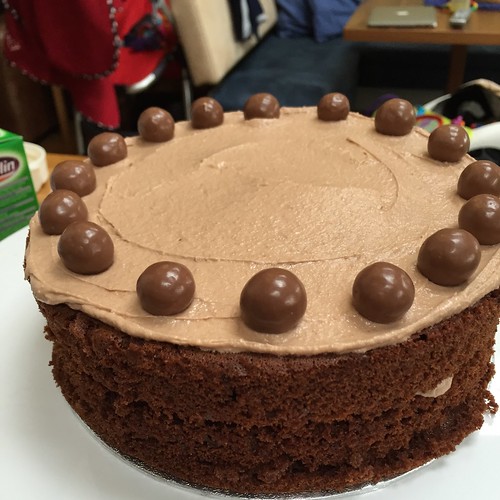
Chocolate Malteser cake

Hard to believe it’s the end of October – today was warm and sunny: it could have been June. Still, there are leaves on the ground, and soups and stews are starting to become a more regular feature of the menu.

Friday food links – 24 Oct 2014

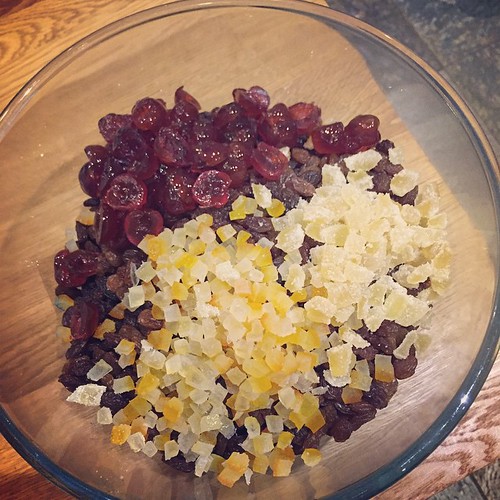
Christmas cake fruit is ready for brandy #lifewithbaby #naptime

Starting to look forward to winter now (and even countenancing the C-word – I made my Christmas cake last weekend).

Finally, my little girl is six months old today. Happy half-birthday, my gorgeous girl. It’s been so much fun getting to know you – I can’t wait for all the adventures we’ll have in the next six months.

E is six months old.

Scandinavian baking and spelt flour

Cinnamon buns centre stage

It seems there’s no escape from all things Scandinavian at the moment. In restaurants, Noma in Copenhagen is at the top of 50 Best Restaurants list for the 2nd year, and Faviken is the new cutting-edge place that has the food critics flocking across the Swedish tundra.

When it comes to cookbooks, you can take your pick from Nordic Bakery, Camilla Plum’s Scandinavian Kitchen or Signe Johansen’s Scandilicious. And that’s without getting to The Killing and that famous jumper.

At the forefront of this wave is Signe Johansen. From Norway, but having lived in the UK for 13 years, with her blog and her first book ‘Scandilicious’, she’s melded Scandi tastes with British preferences to create recipes that are approachable and easy, and bring fresh new flavours into the kitchen.

Posing for the Times

When I saw that she was offering a Baking Masterclass, with recipes from her new book, Scandilicious Baking, I signed up pretty quickly. For one thing, I love to meet enthusiastic bakers and cooks that I’ve only met virtually through twitter and their blog posts. And there’s always something new to learn in baking, especially when dealing with that tricky beast, yeasted dough.

The venue was a new cooking school in East London, the Central Street Cookery School, part of the St. Luke’s Charitable Trust. It’s a light and airy space, with high ceilings, plenty of counter space and ovens, and well equipped for classes. Even better, income from hiring out the space supports cookery projects for the local community.

The Central St Cookery school

We cooked our way through four recipes, two of which were yeasted, in about 4 hours. We made a straight spelt bread dough, quite a bit stickier and faster to rise than a wheat dough. Next came super-sticky cinnamon buns, the dough enriched with butter, sugar, egg and ground cardamom. Again, these were made with spelt flour, and were quick to rise and prove. Below is a cinnamon bun cake made by jamming the bun dough into a cake tin to bake.

Cinnamon bun cake

Third on the list was a fluffy cake, topped with almond caramel praline to form a crust. This is Toscakaka, a Swedish favourite. The cake is made like a Genoise, whisking whole eggs with sugar, before folding in flour and melted butter. Once baked, a sticky caramel of butter, sugar, cream and flaked almonds is spread on top before baking further to form a golden crust. It’s a delicious combination, and the Dream cake in Scandilicious, made in a similar way, has gone straight onto my ‘to make’ list.

Toscakaka

Finally came super-short butter biscuits, made like pastry with chilled butter and just a little egg to bring them together. A very full morning’s baking. For lunch we feasted on Signe’s homemade gravlax with salad, and tried out some of the spelt bread.

Scandi baking spread

The class was good fun, with a great atmosphere. Signe gave lots of helpful tips and advice as we went along, and there was time for everyone to get hands-on with the recipes. The cookery school at Central Street has only been open for a few months, and is a great space for classes. The counters are in a big U shape, with lots of counterspace for everyone, and the high ceilings kept everything cool until later in the session.

There was plenty to learn, even for experienced bakers. Using 100% spelt dough is new to me. When I use spelt flour, it tends to be in bread dough and not more than half of the total flour content. Using all spelt flour in a recipe tends to make for a stickier dough, that rises faster and doesn’t need to prove as long before baking. It feels different to handle, and I think would take some practice to get used to.

Cinnamon bun dough

Spelt is actually a type of wheat, but split off from the wheat we now use at an earlier point in its history. This means it has less gluten than normal bread flour, but still enough to make bread with. [Correction: Azelia has quire rightly corrected me here: it’s not that spelt has less gluten, but it is of a different type and can be tolerated better by those who have an intolerance to normal wheat. Coeliacs cannot tolerate spelt, because it still contains gluten]. You can also get pearled spelt or farro, which can be cooked a bit like pearl barley, but less sticky, and can be used for risottos and salads. Both wholemeal and refined white spelt flours are readily available. Sharpham Park in Somerset produce great spelt flour, grown in the UK.

Signe is continuing to do a Scandi supper club, and planning more classes as well, so make sure you check http://www.signejohansen.com/ and follow her on twitter for the latest details.